
Types of worms in chickens
Keeping chickens healthy doesn’t have to be complicated—but worms are one issue every backyard flock owner runs into sooner or later. The key is knowing what you’re dealing with and acting early.
4/28/20262 min read
🪱 Roundworms
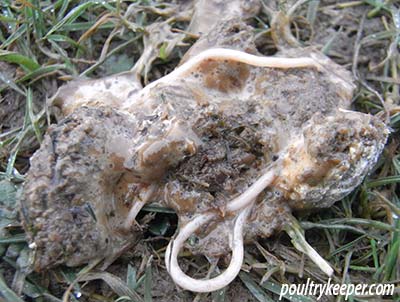
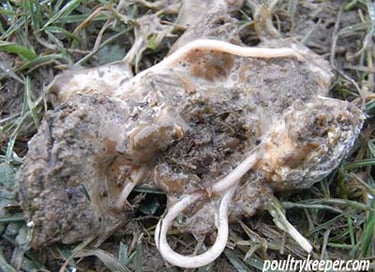
Roundworms are the most common internal parasite in chickens. They live in the gut and can cause weight loss, pale combs, and fewer eggs. Sometimes you’ll even spot them in droppings.
What helps: Keeping the coop clean and using a reliable natural dewormer regularly can keep them in check.
🪶 Gapeworms
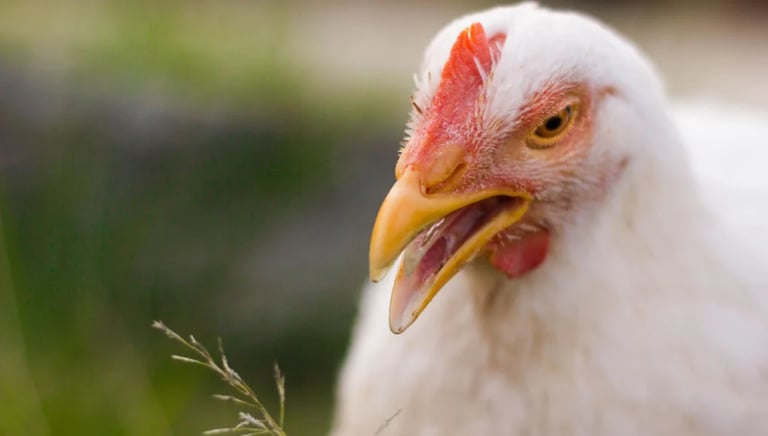
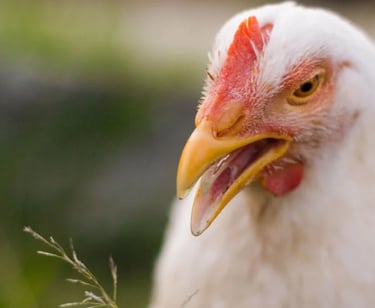
Gapeworms affect the respiratory system. Chickens may stretch their necks and gasp for air—this is a clear red flag.
What helps: Quick action matters here. Supporting your flock with a natural treatment and reducing exposure to contaminated soil is key.
🧬 Tapeworms
Tapeworms attach to the intestinal wall and steal nutrients. You might notice weight loss even when your chickens are eating well.
What helps: Breaking the parasite life cycle (often spread via insects) and consistent natural support.
🟡 Cecal Worms
Cecal worms themselves are mild, but they can carry diseases that cause bigger problems in your flock.
What helps: Preventative care is everything—regular coop hygiene and a gentle, natural deworming routine.
Keeping It Simple
Most worm problems come down to two things:
Build-up in the environment (dirty coop, damp ground)
Lack of regular prevention
A natural chicken dewormer can be a solid part of your routine—especially if you’re aiming to keep things chemical-free while still protecting your flock.
If you stay consistent and keep an eye on your birds, worms become manageable—not a disaster.
Happy Chick Co.
Get in touch with us
Natural dewormer for backyard chickens.
© 2026. All rights reserved.
info@happychickco.com